

How to Install an Awning in Malaysia: Step-by-Step Guide for Homeowners and Professionals
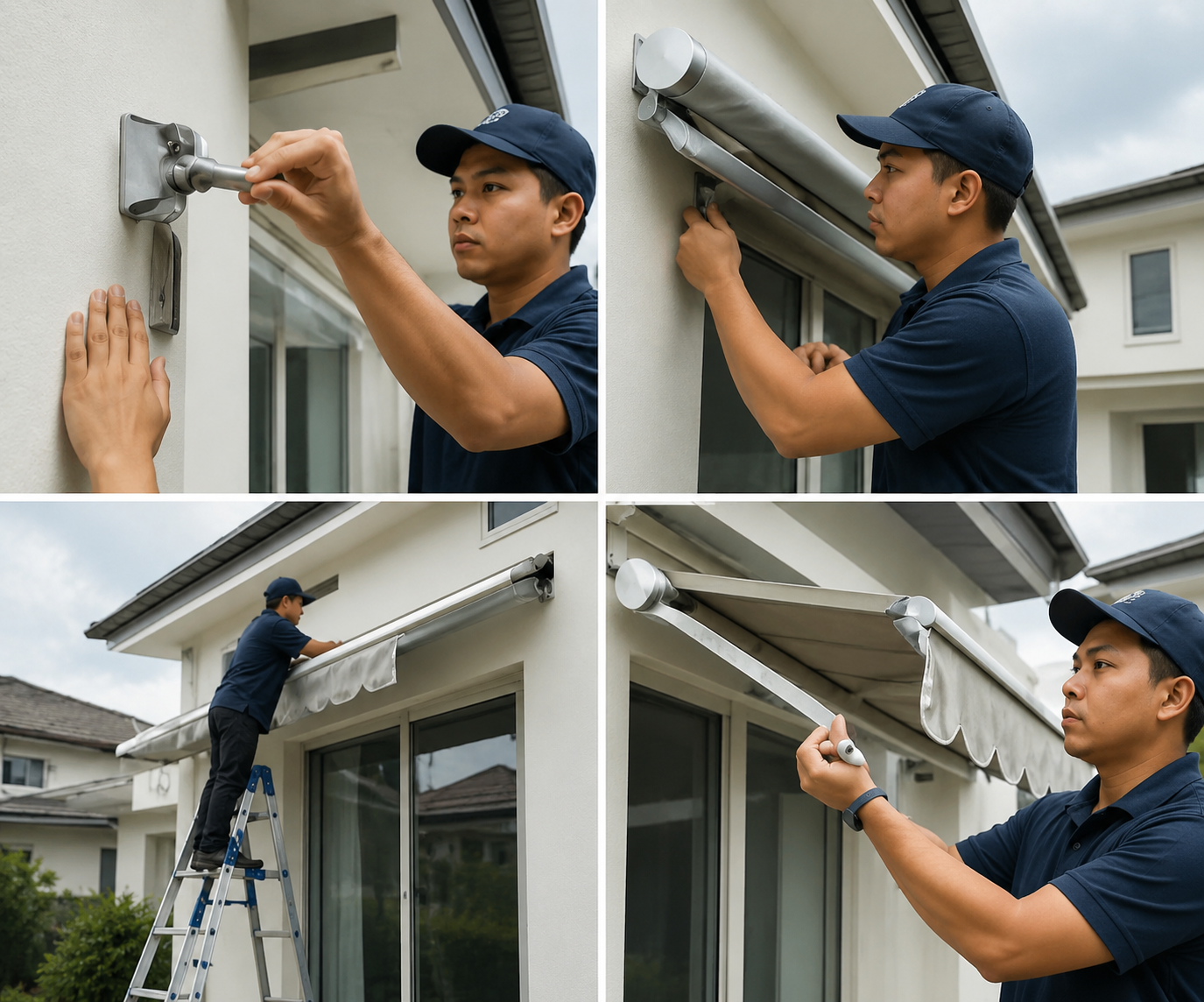
Installing an awning is one of the most effective ways to add shade, enhance outdoor spaces, and protect your property from Malaysia’s intense sun and rain. Whether you are a residential or business owner, property developer, or design professional, knowing the correct installation process ensures safety, durability, and great results. This comprehensive tutorial covers everything you need to know about installing an awning in Malaysia, including preparation, tools, step-by-step instructions, and expert tips for both fixed and retractable awning systems. For readers comparing options, Awning Malaysia is the main topic this guide explains.
Understanding Awning Types and Installation Considerations
Before beginning installation, it’s important to determine the right type of awning for your needs. Common awning types in Malaysia include fixed awnings, retractable awnings, tension awnings, and canopies. Retractable awnings are popular for their flexibility, allowing you to extend or retract the cover as needed. Fixed awnings and tension membrane structures offer robust protection and architectural style for both homes and commercial spaces.
Key considerations before installation:
- Purpose: Shade, rain protection, architectural statement, or all of the above.
- Location: Patio, window, door, car porch, commercial frontage, or walkway.
- Material: Choose high-quality membrane fabrics suited to Malaysia’s weather, such as PTFE-coated fiberglass or PVDF-coated polyester.
- Size & Shape: Ensure the awning dimensions fit your intended space and check for obstructions.
- Mounting Surface: Wall, ceiling, or free-standing frame—verify the structure’s strength and suitability.
Comparing Awning Types for Malaysian Properties
Choosing the right awning can impact not only your property’s appearance but also its functionality. Here’s a quick comparison of the most common awning types:
- Fixed Awnings: Provide constant protection and are ideal for long-term shade or rain coverage. They require sturdy mounting and are often used over windows, doors, and shopfronts.
- Retractable Awnings: Offer flexibility, allowing users to control sunlight and ventilation. Motorised options are available for added convenience and are increasingly popular in modern homes and commercial settings.
- Tension Membrane Structures: Used for large spans such as walkways and public spaces, these awnings are engineered for strength and visual impact, often featuring unique architectural shapes.
- Canopies: Freestanding or attached, canopies can cover everything from car porches to event spaces, providing versatile shelter solutions.
Understanding your needs, budget, and the site’s requirements will guide your choice and ensure a successful installation.
Preparation and Safety Precautions
Proper preparation ensures a smooth installation process and long-lasting performance.
- Check Local Regulations: Some developments or local councils may have guidelines regarding awning size, placement, or appearance. Confirm if permits are needed.
- Inspect the Installation Area: Look for electrical wiring, plumbing, or other hidden services in your installation zone.
- Gather Tools and Supplies: Common tools include a drill, masonry or metal drill bits, screws and wall plugs, measuring tape, spirit level, ladder, spanner set, and safety equipment (gloves, goggles).
- Safety First: Use stable ladders and scaffolding for high installations. If uncertain, consult a professional installer.
- Weather Readiness: Plan your installation for a dry day. Malaysia’s weather can change rapidly, so monitor forecasts and avoid installing during heavy rain or thunderstorms.
Installation Checklist
- Verify wall or mounting surface is structurally sound and free of cracks.
- Double-check all measurements and ensure there is enough clearance for awning movement.
- Lay out all parts and hardware before starting assembly.
- Have a helper on hand—awnings can be bulky and heavy.
- Read manufacturer instructions fully before beginning.
Step 1: Measuring and Marking
Begin by accurately measuring the area where the awning will be installed. For windows, doors, or patios, ensure the awning extends far enough to provide adequate shade and rain protection.
- Mark the desired mounting height. For most applications, 2.1–2.4 meters above ground is comfortable, allowing door or window clearance.
- Use a spirit level to ensure your mounting marks are perfectly horizontal.
- Mark the bracket positions, ensuring equal spacing for weight distribution. For wide awnings, additional brackets may be required according to the manufacturer’s guidelines.
- Check for any obstructions like pipes, wiring, or gutters that may affect installation.
Pro Tip: Accounting for Slope
Allow for a slight downward slope in your awning installation (typically 10-15 degrees) to ensure water runoff during Malaysia’s frequent rains. This prevents water accumulation on the fabric and increases longevity.
Step 2: Installing the Mounting Brackets
Solid and secure bracket installation is critical for safety and longevity.
- Drill holes at the marked positions using appropriate drill bits based on the wall material (masonry, concrete, brick, or metal).
- Insert suitable wall plugs or anchors to ensure a firm grip.
- Position the brackets and secure them with corrosion-resistant screws or bolts.
- Double-check bracket alignment with a level before tightening all fasteners.
Tip: For concrete or brick walls, use heavy-duty expansion bolts. For timber frames, use lag screws of adequate length.
- For large or heavy awnings, consult the manufacturer’s load table to determine the correct number and placement of brackets.
- On older buildings, reinforce weak walls with steel backing plates if needed.
Step 3: Assembling the Awning Frame
Most awnings, especially retractable models, require assembly before mounting onto the brackets.
- Follow the manufacturer’s instructions to assemble the awning arms, roller tube, and fabric.
- Check that all moving parts operate smoothly, especially for retractable awnings.
- If the awning is supplied fully assembled, inspect for shipping damage and ensure all parts are present.
- Pre-attach any additional components, such as support struts or valances, that may be required for your model.
Step 4: Mounting the Awning
With brackets in place and the frame assembled, it’s time to mount the awning.
- With assistance (awnings can be heavy), lift the assembled awning onto the mounting brackets.
- Secure the awning frame to the brackets using provided bolts or locking pins. Ensure all fasteners are tight.
- Check that the awning unit is level and projects straight from the wall.
- Test the awning by extending and retracting (for retractable models) to confirm smooth operation and clearance.
For motorised or automated awnings, engage a licensed electrician to connect the power supply and configure any remote controls or sensors.
- Ensure all moving parts are free from obstructions and operate without interference.
- Test the awning’s full range of motion, paying attention to alignment and tension.
Step 5: Sealing, Finishing, and Weatherproofing
To ensure durability and optimal performance in Malaysia’s climate, apply finishing touches:
- Seal around mounting bolts with exterior-grade silicone to prevent water ingress.
- Touch up any exposed fasteners with anti-rust paint or caps.
- For fabric awnings, ensure the material is properly tensioned and free from wrinkles.
- Clean the awning and surrounding area of dust and debris.
- For extra protection, apply a fabric protector or UV-resistant spray as recommended by the supplier.
- Inspect seams and edges for gaps to prevent leaks during heavy rain.
Step 6: Maintenance Tips for Long-Lasting Awnings
Proper maintenance extends the life and appearance of your awning, especially in Malaysia’s tropical weather.
- Routinely inspect all fasteners and brackets for tightness.
- Clean awning fabric with mild soap and water to prevent mould and staining.
- Retract the awning during storms or high winds (for retractable models).
- Lubricate moving parts as recommended by the manufacturer.
- Trim overhanging branches or plants that may damage the fabric or mechanism.
- Check for signs of rust, mildew, or UV damage, and address issues promptly.
For commercial properties, schedule periodic professional inspections to ensure structural safety and compliance, especially for large-scale membrane structures.
Seasonal Maintenance Checklist
- Monthly: Visual inspection of the awning, brackets, and moving parts.
- Quarterly: Deep clean the fabric and lubricate joints.
- Yearly: Professional inspection, especially for commercial or large installations.
Practical Examples: Awning Installation Scenarios in Malaysia
Residential Patio Awning
A homeowner in Kuala Lumpur wishes to install a retractable awning above their terrace. After measuring the area, they select an aluminium-framed, PVDF-coated fabric awning for maximum weather resistance. By following the steps above, they mount the brackets into reinforced concrete, assemble the awning, and complete a smooth installation in an afternoon.
The homeowner also takes care to seal all mounting points and applies an extra UV-protective spray to extend the fabric’s lifespan. The result is a cool, shaded outdoor area that can be enjoyed year-round.
Commercial Shopfront Awning
A retail outlet in Penang installs a fixed membrane awning to shade its window display and attract foot traffic. The project involves a professional team using steel brackets, technical drawings, and certified membrane material. Installation is completed out of business hours to minimise disruption, and the new awning significantly improves curb appeal and customer comfort.
To comply with local council regulations, the retailer submits plans for approval and chooses fire-retardant materials. Regular cleaning and inspections are scheduled to maintain the awning’s appearance and safety.
Architect-Designed Canopy for Public Walkway
An architect collaborates with a specialist like TK Kanvas to design and install a custom tensile canopy for a shopping complex walkway. The project involves concept design, engineering analysis, and professional fabrication. Installation is handled by an experienced team, ensuring compliance with safety standards and architectural intent.
The canopy’s design incorporates drainage solutions and integrated lighting for safety at night. Durable PTFE-coated fabric is chosen for its self-cleaning properties and longevity in Malaysia’s humid environment.
Comparing DIY vs. Professional Awning Installation
While DIY installation is possible for many standard awnings, professional installers bring added value for complex projects. Here’s a comparison to help you decide:
| DIY Installation | Professional Installation |
|---|---|
| Lower cost; suitable for standard, small to medium awnings; requires basic tools and skills; ideal for handy homeowners. | Expert assessment of site and structure; necessary for large, custom, or motorised awnings; ensures compliance with safety and engineering standards; includes warranties and aftersales support. |
| May be limited by lack of experience or equipment; risk of improper installation if instructions are not followed. | Access to specialised tools, technical know-how, and ability to handle complex electrical or architectural requirements. |
Common Mistakes to Avoid During Awning Installation
- Incorrect measurements leading to poor fit or insufficient coverage.
- Using undersized or unsuitable fasteners for the wall type.
- Failing to use a level, resulting in a crooked awning.
- Neglecting to seal mounting points, allowing water infiltration.
- Attempting large or complex installations without professional help.
- Ignoring local council regulations, resulting in fines or required removal.
- Over-tightening bolts, which can damage the awning frame or wall.
- Not accounting for wind loads and water runoff, which can lead to fabric sagging or structural failure.
For more tips on selecting the right awning, see our guide on quality and durability when choosing retractable awning suppliers in Malaysia.
When to Consult a Professional Installer
While many homeowners can handle standard awning installations, certain situations call for expert assistance:
- Large-span or custom-designed awnings, such as tension membrane structures or car porch covers.
- Complex mounting surfaces (e.g., high-rise buildings, uneven facades, or non-standard architecture).
- Electrical connections for motorised or automated awnings.
- Compliance with commercial, safety, or engineering standards.
- Lack of access to specialised equipment, such as scaffolding or lifting gear.
Professional installers like TK Kanvas offer comprehensive services—from design and engineering to fabrication and installation—ensuring your awning is safe, compliant, and perfectly suited to Malaysia’s climate and your design vision.
What to Expect from a Professional Awning Installation Service
- On-site assessment and consultation tailored to your property’s unique needs.
- Custom design and material recommendations based on local weather and usage patterns.
- Technical drawings and engineering calculations for large or commercial installations.
- Professional fabrication and finishing, with attention to quality and durability.
- Expert installation, testing, and handover, including user training for motorised or automated systems.
- Warranty coverage and aftersales support for ongoing peace of mind.
Conclusion: Transform Your Outdoor Space with a Well-Installed Awning
Installing an awning in Malaysia is an excellent way to enhance comfort, increase usability, and add value to residential, commercial, and public spaces. By following this step-by-step guide and applying careful preparation, correct technique, and ongoing maintenance, you can enjoy years of reliable shade and weather protection. For complex projects or custom requirements, partnering with an experienced manufacturer ensures peace of mind and lasting results.
Ready to take the next step? Explore more about the benefits of awnings in Malaysia and discover how TK Kanvas can deliver innovative shade solutions for your property.
Frequently Asked Questions
What are the most common types of awnings installed in Malaysia?
The most popular awnings in Malaysia include fixed awnings, retractable awnings, tensioned membrane structures, and canopies. Retractable awnings provide flexible coverage, while fixed and tension membrane models are chosen for durability and architectural appeal. The best choice depends on your property’s needs, available space, and design goals.
How do I know if my wall is suitable for awning installation?
Check that your wall is made from solid materials such as concrete, brick, or reinforced timber and is free from cracks or weaknesses. For heavy or large-span awnings, structural assessment may be required. If in doubt, consult a professional installer to assess the suitability and safety of your proposed mounting surface.
Can I install a retractable awning myself or do I need a professional?
Many standard retractable awnings are designed for DIY installation, provided you have the right tools and follow instructions carefully. However, large, motorised, or custom-designed awnings, or installations involving electrical work or complex mounting, are best handled by professionals to ensure safety and compliance.
What maintenance is required for awnings in Malaysia’s climate?
Awnings should be cleaned regularly with mild soap and water to remove dirt, mould, or stains. Inspect brackets and fasteners for tightness, lubricate moving parts on retractable models, and ensure fabric tension remains correct. Retract awnings during heavy rain or storms to prevent damage.
What is the typical shape of tents and awnings?
Tents and awnings come in a variety of shapes, including rectangular, dome, pyramid, and arched forms. In Malaysia, popular awning shapes are flat, sloped, or curved, while tents may be A-shape, dome, or star-shaped. The shape chosen usually depends on functional needs and aesthetic preferences.
Transform Your Space with Professional Awning Installation from TK Kanvas
Ready to enhance your property with a premium awning or custom shade solution? TK Kanvas brings over 20 years of experience in designing, fabricating, and installing high-quality awnings, retractable canopies, and tensile structures across Malaysia. Whether you’re a homeowner, architect, or business owner, our expert team can guide you from concept to completion for a result that combines style, durability, and weather protection. Contact TK Kanvas today to discuss your project and get a free consultation.
